
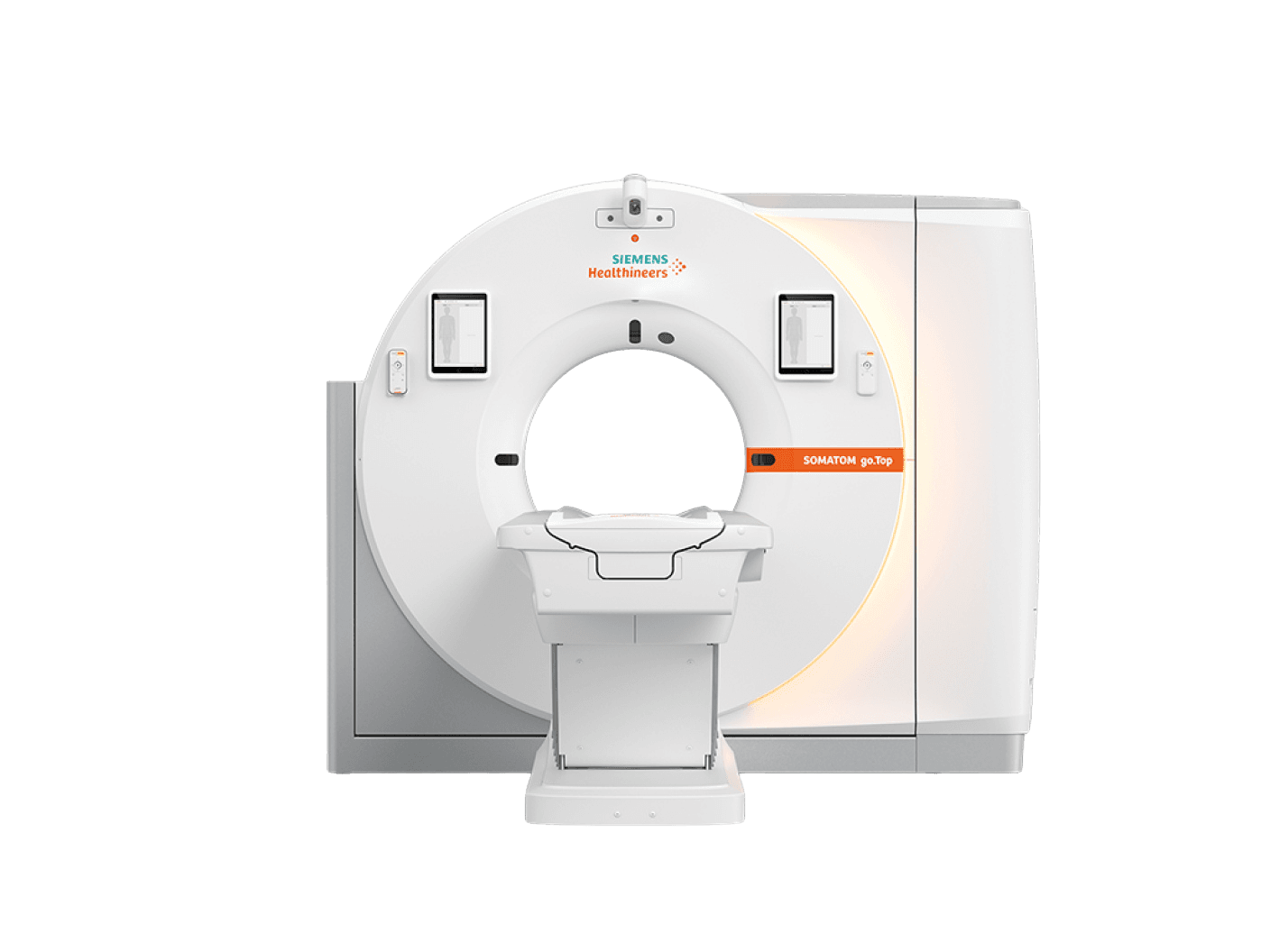
If you are considering a CT angiogram to check for plaque buildup in your coronary arteries, you can pay for it with your HSA or FSA. That means pre-tax dollars and real savings. Here is how it works.
Bottom line
Save 20–35% with pre-tax HSA or FSA dollars
A CT angiogram is a qualified medical expense. You can pay with your HSA or FSA card just like any other eligible medical cost.
The short answer
Yes. A CT angiogram counts as a qualified medical expense under IRS rules, which means it is eligible for both HSA and FSA payment. The FSA Store and HSA Store both confirm heart scans as eligible expenses.
A CT angiogram is different from a calcium score, which is a simpler CT scan that only shows calcified plaque. A CT angiogram shows the full picture of your coronary arteries, including soft plaque that a calcium score cannot see.
Read moreWhat does a CT angiogram show?What are HSA and FSA accounts?
Both accounts let you set aside money from your paycheck before taxes. You use that money for medical expenses and effectively save 20 to 35 percent on every dollar, depending on your tax bracket.
An HSA (Health Savings Account) requires a high-deductible health plan. The balance rolls over every year and stays with you even if you change jobs. An FSA (Flexible Spending Account) is offered through your employer, and most follow a use-it-or-lose-it rule where unspent funds expire at the end of the plan year.
HSA vs FSA: which one should you use?
HSA: rolls over every year
No deadline to spend. You can invest the balance and let it grow. Available only with a high-deductible health plan. The account stays with you even if you leave your job.
FSA: use it or lose it
Most FSA funds expire at the end of your plan year, though some employers offer a grace period or small carryover. Available with most employer plans. A CT angiogram is a smart way to use FSA dollars before they expire.
2025 and 2026 contribution limits
| 2025 | 2026 | |
|---|---|---|
| HSA — individual | $4,300 | $4,400 |
| HSA — family | $8,550 | $8,750 |
| FSA — per employee | $3,300 | $3,400 |
If you are 55 or older, you can add an extra $1,000 per year to your HSA as a catch-up contribution. Source: IRS revenue procedures.
How to pay with your HSA or FSA
- Check your HSA or FSA balance and confirm you have enough to cover the scan.
- Book your CT angiogram and ask for the self-pay price upfront so you know the exact amount.
- Pay with your HSA or FSA debit card at checkout. If you pay with a different card first, you can reimburse yourself later by submitting the receipt.
- Keep your itemized receipt. Your HSA or FSA administrator may ask for documentation.
A great use of pre-tax dollars
A CT angiogram can find plaque buildup in your heart arteries years before symptoms appear. Using your HSA or FSA to pay for it means you get a picture of your heart at a lower effective cost. If you have FSA dollars approaching their expiration, this is one of the most valuable ways to spend them.