



Ford Brewer, MD, MPH
CCTA is the definitive way to catch soft plaque
Our CCTA scan sees plaque in your arteries early, giving you a clear picture and the ability to take control.
166 centers
Find one near you
See soft plaque
Go beyond calcium
AI plaque analysis
Optional add-on
About 4 in 10 adults aged 40 to 54 have detectable plaque in their heart arteries. It builds silently over years, and most people find it late.
Soft plaque is usually newer than calcified (“hard”) plaque and is more likely to rupture. It’s also over 75% of total plaque on average. Both cholesterol numbers and calcium score miss it.
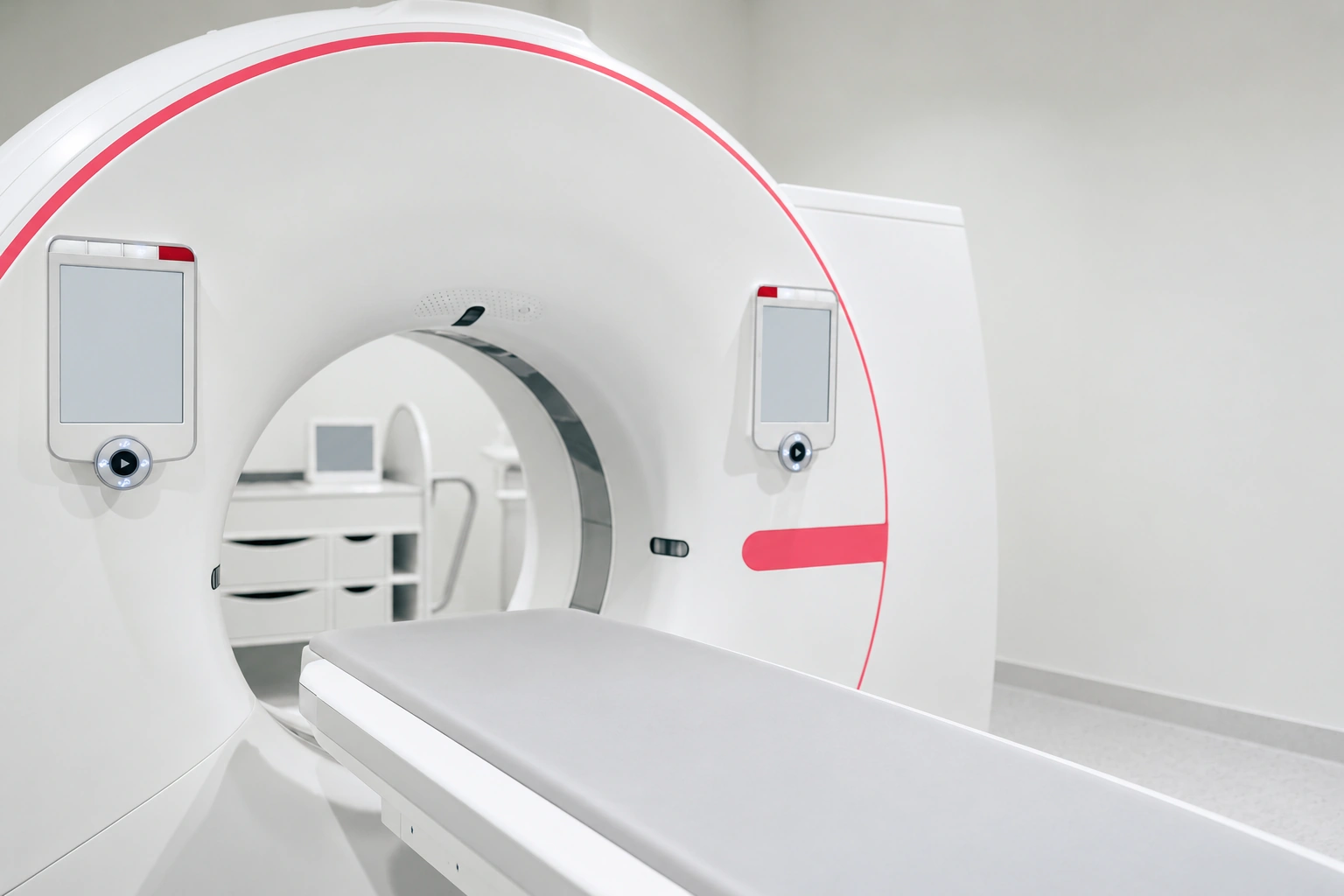
Our scan is a CCTA or coronary CT angiography that gives you detailed pictures of your arteries. It can detect soft plaque, calcified plaque as well as signs of narrowing.
Reserve your spot today and take the next step toward protecting your heart.
Common reasons people choose a Veevo Scan. A doctor reviews whether it’s right for you.
Know where your arteries stand while you feel well.
1 of 6
Heart disease remains the leading cause of death for men and women. Hear from the experts why plaque matters and how a CCTA scan detects it early.
Ford Brewer, MD, MPH
CCTA is the definitive way to catch soft plaque

May Bakir, MD
CCTA after positive calcium score

Daniel Evans, DO
Benefits of a CCTA scan

Mary Claire Haver, MD
Menopause increases heart disease risk in women
* Independent educational videos for general information. Featured physicians are not affiliated with Veevo Health.
01
We'll reach out to you to find a location and schedule your scan.

03
A clear picture of your arteries, findings of plaque buildup and next steps.
Built around a CCTA scan with transparent, hassle-free pricing. No insurance required.
HSA/FSA eligible
Loading price…
Includes your referral, scan, and results review.
The Veevo Scan is a non-invasive coronary CT angiography (CCTA) scan that creates detailed images of your coronary arteries. It can catch plaque buildup, called atherosclerosis, inside artery walls years before symptoms appear. Preventive cardiologists use this imaging technology to find plaque early.
Blood tests measure risk factors like cholesterol and blood sugar, but they can't tell you whether plaque is building up in your arteries. Our scan shows you the health of your arteries directly.
A calcium score measures only hard (calcified) plaque. The Veevo Scan can show both calcified and soft plaque. Soft plaque is often the riskier kind, as it is prone to rupture and cause a heart attack. A calcium score misses it entirely.
Finding plaque early gives you and your doctor the chance to act on it, with the right medication, targets, and lifestyle changes. Whether scanning people without symptoms prevents heart attacks is being studied right now in two large trials.
The Veevo Scan is widely used and generally considered safe for appropriate candidates. It uses contrast dye through an IV to create a clear picture of your heart arteries. An independent clinician will determine whether it is appropriate for you.
No. The Veevo Scan is different from invasive coronary angiography (cardiac catheterization). It uses contrast through a standard IV and a CT scanner; no catheter is placed inside your arteries.
Reserve your spot. We'll reach out to you to find a location and schedule your scan.
Soft plaque is common, and finding it changes care.
40.2%
of adults aged 40 to 54 had plaque in their heart arteries on a CCTA scan. None had symptoms.
Miami Heart Study · JACC41%
fewer heart attacks and coronary deaths over 5 years when a CCTA was added to care for patients with chest pain.
SCOT-HEART · NEJMClass I
The American Heart Association gives CCTA its strongest recommendation for certain patients being evaluated for chest pain.
AHA/ACC chest pain guideline