
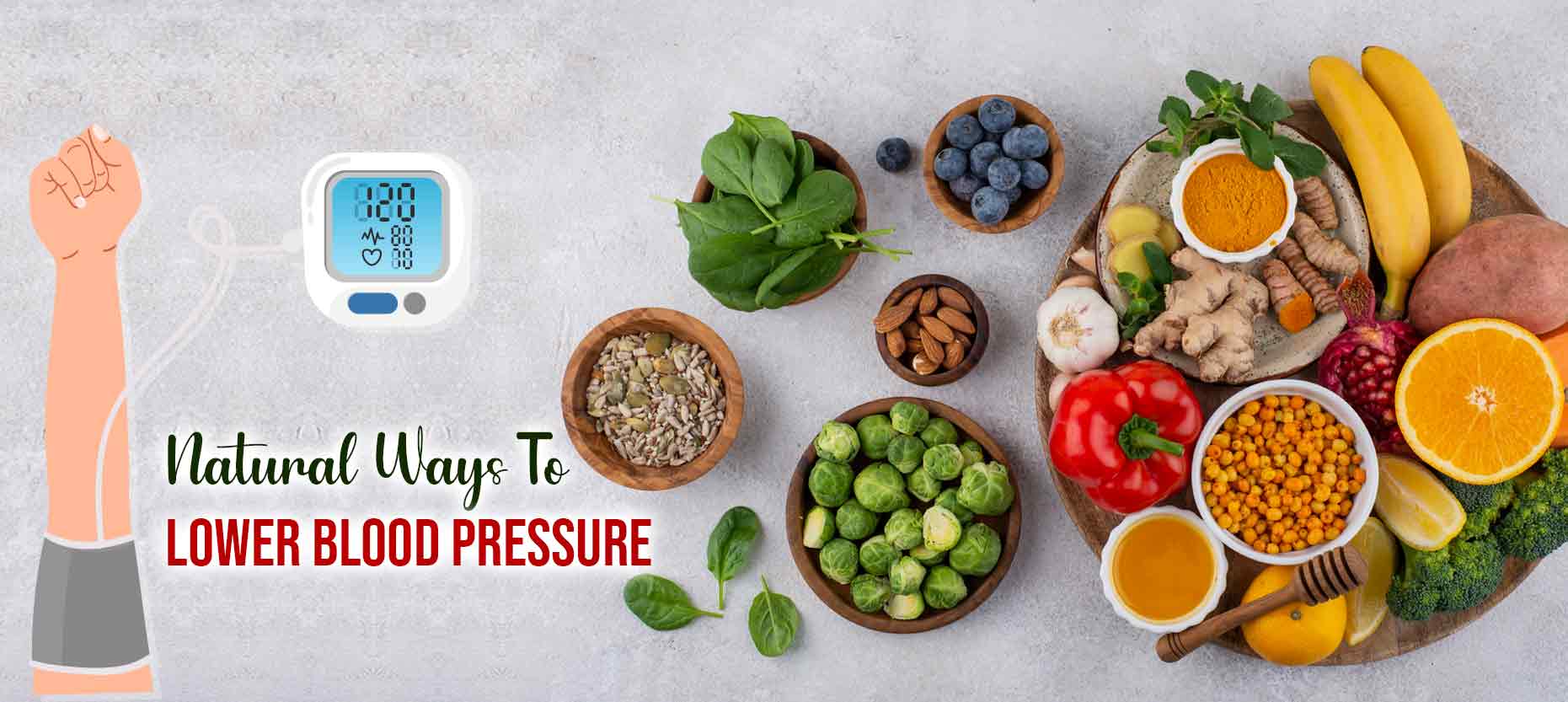
Blood pressure is the force of blood pushing against your artery walls. When that force stays too high for too long, it quietly damages the lining of your arteries and raises your risk for heart attack and stroke. Most people feel completely fine, which is why it's often called a silent risk. The good news: it's one of the easiest things to measure and one of the most responsive to change.
What do the two numbers mean?
A blood pressure reading has two numbers, like 120/80. The top number (systolic) is the pressure when your heart pumps blood out. The bottom number (diastolic) is the pressure when your heart rests between beats. Both numbers matter.
Systolic vs. diastolic at a glance
| Systolic (top) | Diastolic (bottom) | |
|---|---|---|
| When it's measured | Heart is pumping | Heart is resting between beats |
| Normal value | Below 120 mmHg | Below 80 mmHg |
| Tends to rise with | Age, stiff arteries | Stress, younger adults |
| Bigger risk factor? | Usually, especially after 50 | Important in younger adults |
Doctors pay close attention to both numbers. If either one is too high, it counts as high blood pressure.
What's a normal blood pressure reading?
The 2025 ACC/AHA guidelines define five categories. Your reading falls into whichever category is higher between systolic and diastolic.
Blood pressure categories (2025 ACC/AHA)
| Category | Reading | What it means |
|---|---|---|
| Normal | Below 120/80 mmHg | Keep doing what you're doing |
| Elevated | 120–129 / below 80 mmHg | Time for lifestyle changes |
| Stage 1 hypertension | 130–139 / 80–89 mmHg | Lifestyle changes; medication if higher risk |
| Stage 2 hypertension | 140+ / 90+ mmHg | Medication usually recommended |
| Hypertensive crisis | Above 180 / above 120 mmHg | Seek medical help immediately |
A single high reading doesn't mean you have hypertension. Diagnosis is based on repeated readings over time.
For most adults, the recommended target is below 130/80. If you already have heart disease, diabetes, or chronic kidney disease, your doctor may aim for below 120/80.
Why does high blood pressure cause no symptoms?
Your arteries are lined with a thin, smooth layer called the endothelium. High pressure slowly damages this lining, creating tiny tears that allow cholesterol particles to build up inside the artery wall. This process happens over years without any pain or warning signs.
By the time symptoms appear, significant damage may have already occurred. This is why routine checks matter. High blood pressure and high cholesterol work together: pressure damages the artery wall, and cholesterol moves in through the cracks.
Nearly invisible
~47%
of US adults have high blood pressure. Many don't know it because there are usually no symptoms.
What causes high blood pressure?
Some causes are within your control. Others aren't. The most common factors include:
- Too much sodium. Processed foods, restaurant meals, and packaged snacks are the biggest sources. Sodium makes your body hold extra water, which raises the pressure in your arteries.
- Not enough exercise. A sedentary lifestyle makes your heart work harder over time.
- Excess weight. Extra body weight, especially around the midsection, puts more demand on your heart and blood vessels.
- Chronic stress. Ongoing stress keeps your body in a fight-or-flight state that raises blood pressure.
- Genetics and age. Blood pressure tends to rise with age, and a family history of hypertension increases your risk.
How should you measure blood pressure?
Technique matters more than most people realize. A poorly positioned arm or a full bladder can throw your reading off by 10 to 20 points. Follow these steps for an accurate measurement:
Measurement checklist
| Do | Don't |
|---|---|
| Sit with your back supported and feet flat on the floor | Sit on an exam table with legs dangling |
| Rest your arm on a table at heart level | Let your arm hang at your side |
| Sit quietly for 5 minutes before measuring | Measure right after walking, eating, or drinking caffeine |
| Place the cuff on bare skin on your upper arm | Put the cuff over clothing |
| Take 2–3 readings one minute apart and average them | Rely on a single reading |
An unsupported arm can add up to 20 mmHg to your reading. An unsupported back can add about 6 mmHg.
Home blood pressure monitors are reliable and useful for tracking trends. Measure at the same time each day, ideally morning and evening, and share the results with your doctor.
How can you lower blood pressure?
Lifestyle changes are the first line of treatment for elevated or stage 1 blood pressure. Even small changes add up. Here's what works, with the expected drop in systolic pressure:
Lifestyle changes and their impact
| Change | Expected systolic drop | Details |
|---|---|---|
| DASH eating pattern | 8–14 mmHg | Rich in fruits, vegetables, whole grains, and low-fat dairy. Less saturated fat. |
| Reduce sodium | 2–8 mmHg | Stay under 2,300 mg/day. Under 1,500 mg/day is even better. |
| Regular exercise | 4–9 mmHg | 150 minutes per week of moderate activity like brisk walking. |
| Lose excess weight | ~1 mmHg per kg lost | Even 5–10 pounds can make a measurable difference. |
| Limit alcohol | 2–4 mmHg | No more than one drink per day for women, two for men. |
Combining multiple changes produces a larger overall effect. If lifestyle changes aren't enough, your doctor may add medication.
Stress management also plays a role. Practices like deep breathing, better sleep, and mindfulness don't have a single clean number attached to them, but they consistently help and complement the changes above.
If you're already at stage 2, or if lifestyle changes alone haven't brought your numbers down after three to six months, medication is often the next step. Several types of blood pressure medications are safe, effective, and well-studied.
Why does imaging matter if your blood pressure has been high?
Years of high blood pressure can cause plaque to build up inside your arteries before you feel anything. A coronary CT angiogram shows whether that buildup has started and how much is there. A calcium score is a simpler scan that detects hardened plaque specifically.
Getting your blood pressure under control is essential. Knowing whether damage has already started helps you and your doctor decide how aggressively to act. That combination of treatment and information is how you stay ahead.
The bottom line
Blood pressure is one of the most important numbers in heart health and one of the most straightforward to improve. Know your number, measure it correctly, and take action if it's elevated. Small, consistent changes make a real difference. To see how your blood pressure adds up with your cholesterol and other numbers, try our heart age calculator.
10 Sources
American Heart Association / American College of Cardiology 2025 AHA/ACC Guideline for the Prevention, Detection, Evaluation, and Management of High Blood Pressure in Adults
https://www.ahajournals.org/doi/10.1161/HYP.0000000000000249JACC 2025 High Blood Pressure Guideline-at-a-Glance
https://www.jacc.org/doi/10.1016/j.jacc.2025.07.010American Heart Association 2025 Heart Disease and Stroke Statistics
https://www.ahajournals.org/doi/10.1161/CIR.0000000000001303Centers for Disease Control and Prevention High Blood Pressure Facts
https://www.cdc.gov/high-blood-pressure/data-research/facts-stats/index.htmlAmerican Heart Association Measurement of Blood Pressure in Humans: A Scientific Statement
https://www.ahajournals.org/doi/10.1161/HYP.0000000000000087New England Journal of Medicine Effects on Blood Pressure of Reduced Dietary Sodium and the DASH Diet
https://www.nejm.org/doi/full/10.1056/NEJM200101043440101NHLBI / National Institutes of Health DASH Eating Plan
https://www.nhlbi.nih.gov/education/dash-eating-planMayo Clinic DASH Diet: Healthy Eating to Lower Your Blood Pressure
https://www.mayoclinic.org/healthy-lifestyle/nutrition-and-healthy-eating/in-depth/dash-diet/art-20048456Johns Hopkins Medicine Low Sodium Diet and Lifestyle Changes for High Blood Pressure
https://www.hopkinsmedicine.org/health/wellness-and-prevention/low-sodium-diet-and-lifestyle-changes-for-high-blood-pressureAmerican Heart Association The Rules for Measuring Blood Pressure — and Why They Exist
https://www.heart.org/en/news/2024/06/25/the-rules-for-measuring-blood-pressure-and-why-they-exist