

A high calcium score indicates more plaque build-up in your arteries and a higher risk. Fortunately, though, there are many treatment options out there that can reduce your risk.
Your calcium score measures the amount of calcified plaque in your coronary arteries. In other words, the hardened plaque in the arteries that nourish your heart. This plaque build-up can lead to a heart attack.
But if you found you have a high calcium score, don’t panic. It means your risk is elevated, not that a heart attack is inevitable.
After receiving a high score, your doctor might suggest certain treatments, including medications and lifestyle changes, as well as further testing. This can make a big difference in improving your health and quality of life.
Below, you'll find what treatment actually involves, what it can and can't change about your score, and what the research really says about risk, even at the highest scores, since it's more reassuring than most people expect.
Key Takeaways
- Treatment doesn't reverse your score, it reduces your risk. Even effective treatment usually won't bring your number down, but it meaningfully lowers your chance of a heart attack.
- Statins are the single most evidence-backed medication for a high calcium score. If a statin alone isn't enough, ezetimibe, PCSK9 inhibitors, and bempedoic acid can help you reach your cholesterol targets.
- Lifestyle management matters just as much, including a heart-healthy diet, regular exercise, quitting smoking, enough sleep, and managing stress.
- A rising score after starting treatment isn't necessarily bad news. It can mean your plaque is becoming more stable, not more dangerous.
What Is a Calcium Score, and How Do You Get One?
Before we get into the topic of treatments, here’s a quick refresher on calcium scores.
A calcium score, also called a coronary artery calcium (CAC) score, comes from a scan that looks for calcified (hardened) plaque in your coronary arteries. The buildup of calcified plaque is called atherosclerosis, and it can eventually narrow or block an artery, potentially causing a heart attack.
During a calcium score scan, a computer analyzes the scan and calculates a single number that reflects how much calcified plaque was found. This number is called a calcium score or Agatston score.
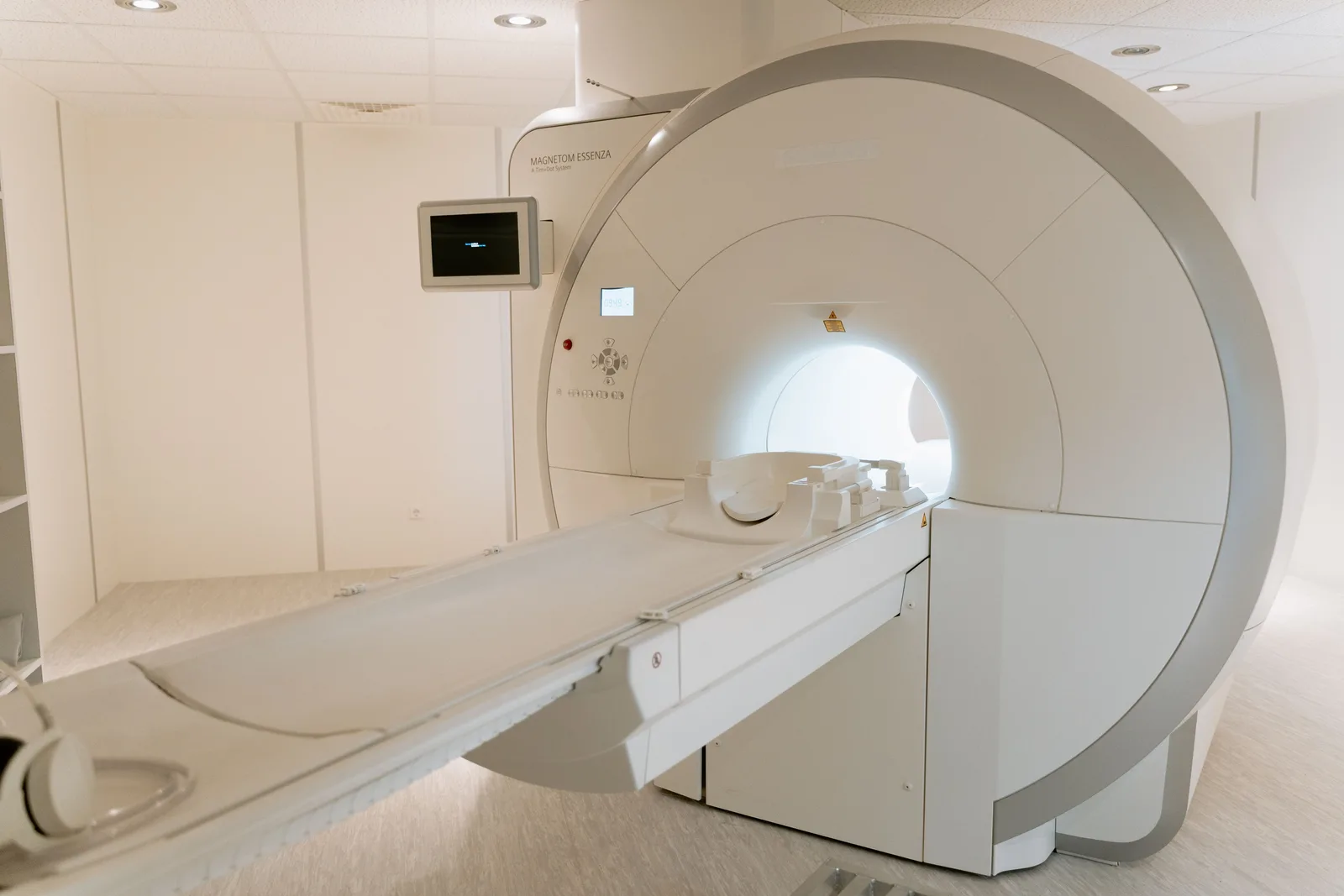
The scan itself is simple: you lie on a table that slides into a CT scanner, no contrast dye is used, and the actual scan takes just a few minutes.
Read moreWhat Is a Calcium Score Test? A Complete Guide to CAC ScreeningWhat Does a High Calcium Score Mean?
A high calcium score increases your risk of having a heart attack.
The higher your calcium score, the more hardened plaque was found in your arteries.
What’s considered a high calcium score depends on your age:
- Scores of 100 and above are generally considered high, depending on your age.
- Scores above 400 are considered significantly high.
- Scores of 1,000 or higher fall into their own distinct high-risk category.
A high score is not a death sentence, and it doesn't come with an automatic prescription. Your doctor will look at it alongside your full risk profile, cholesterol, blood pressure, blood sugar, family history, and smoking status, before deciding what comes next.
For most people, that conversation covers medication, lifestyle changes, and occasionally, further testing. Treatment can do more than your number suggests. Lowering your cholesterol can help stop plaque from growing, even if your score rises as plaque hardens.
Read moreCalcium Score Ranges: What Your Results and Report Actually MeanMedications for Treating a High Calcium Score

A high calcium score can mean it's time to consider medication.
Nowadays, there are many effective medications for preventing heart disease, more than there were even a few years ago.
Your doctor may prescribe one or more of the following medications for a high calcium score:
- Statins. Statins are the most evidence-backed treatment available. They lower LDL cholesterol, often called "bad" cholesterol, circulating in your blood. Less circulating LDL means less material available to deposit into your artery walls.
- Bempedoic acid. If you can’t tolerate statins due to muscle-related side effects, bempedoic acid is a newer alternative. It also lowers LDL cholesterol.
- Ezetimibe. This pill reduces how much cholesterol your intestines absorb from food. It's now available generically, making it far more accessible than in the past.
- PCSK9 inhibitors. Given as an injection every few weeks, PCSK9 inhibitors help your liver clear more LDL cholesterol out of your bloodstream, and they can lower LDL-C significantly, even in people already on a statin.
- Low-dose aspirin. Aspirin is sometimes considered for higher scores in certain circumstances, but it carries risks. Your doctor will likely not start you on aspirin if you’re 60 or older, since the bleeding risk tends to outweigh the benefit at that age.
- Blood pressure management. Uncontrolled blood pressure damages the inner lining of your arteries over time, which speeds up further plaque buildup. If you have high blood pressure, your doctor may prescribe a blood pressure medication along with healthy lifestyle changes.
- Blood sugar management. Even if you don’t have diabetes, a high blood sugar level can contribute to plaque buildup in your arteries. Your doctor may recommend changes to your diet as well as medication to control your blood sugar.
While these medications can’t actually reverse a high calcium score, they can slow down the further buildup of plaque in your arteries and support your overall heart health.
Statins and Calcium Scores
Your calcium score doesn’t just suggest which medications you might need to use, but the intensity of the medications.
The 2026 ACC/AHA dyslipidemia guideline actually ties your recommended statin intensity and cholesterol target directly to your calcium score.
Here’s a simplified look at how that works:
| Calcium Score Range | Statin Intensity | LDL-C Target | Other Considerations |
|---|---|---|---|
| 1 to 99, below the 75th percentile | Moderate-intensity statin | Below 100 mg/dL | Lifestyle changes are often enough alongside a moderate statin |
| 100 to 299 | Moderate to high-intensity statin | Below 100 mg/dL, tightening toward 70 | Reassess after 3 to 6 months |
| 300 to 999 | High-intensity statin | Below 70 mg/dL | Consider adding ezetimibe, a PCSK9 inhibitor, or bempedoic acid if targets aren’t met |
| 1,000 or higher | High-intensity statin | Below 55 mg/dL if you already have known heart disease | Same add-on options considered more readily |
Of course, your doctor will take this into consideration along with other factors. Generally speaking, they will always recommend a healthy lifestyle along with medications — more on this below.
Lifestyle Changes for a High Calcium Score

Numerous healthy habits are scientifically shown to reduce heart risk. They typically work by helping you manage your cholesterol, blood pressure, blood sugar, and body weight — all of which can affect plaque buildup.
The great thing about these lifestyle changes? They’re drug-free, have next to no side effects, and you can do them even if you don’t have a high calcium score.
Eat a heart-healthy diet
What you eat directly shapes your cholesterol, blood pressure, blood sugar, and body weight, which are four of the biggest levers you have over future plaque buildup.
Build your diet around:
- Vegetables and fruits
- Whole grains
- Legumes
- Lean protein
Limit:
- Saturated fat
- Added sugar
- Sodium (salt)
- Ultra-processed foods
Think of it this way: the food you eat literally becomes the raw material your body uses to build cholesterol particles and manage inflammation.
Exercise regularly
Exercise, especially aerobic activity (cardio workouts) can help you manage your cholesterol levels, blood pressure, and blood sugar.
Frequent activity also directly improves the function of the cells lining your blood vessels, making them more resistant to the kind of damage that starts new plaque formation.
Aerobic activity can include anything that gets your heart rate up, like brisk walking, running, swimming, cycling, or dancing. You could also try sports that involve a lot of movement (like tennis, soccer, or padel) or an aerobics class.
The American Heart Association recommends the following for most adults:
- At least 150 minutes of moderate aerobic activity or 75 minutes of vigorous aerobic activity every week
- Moderate- to high-intensity muscle-strengthening exercises — like resistance exercises or lifting weights — at least 2 days per week
If that sounds like a tall order, start by increasing your activity levels gradually over time. Even some light exercise is better than nothing.
Quit smoking
Smoking is one of the most damaging things you can do to your cardiovascular system, and quitting is one of the most effective single changes you can make.
Nicotine and the other chemicals in cigarette smoke injure the lining of your arteries directly, promote inflammation, and make your blood more likely to clot, all of which speed up plaque buildup and raise your risk of a heart attack.
Within just a few years of quitting, your cardiovascular risk drops substantially compared to continuing to smoke, and it keeps improving the longer you stay smoke-free.
Get enough sleep
Sleep is a newer addition to the American Heart Association's official framework for heart health, and for good reason.
Consistently getting too little sleep, or sleep that's frequently interrupted, is associated with higher blood pressure, weight gain, and worse blood sugar control over time.
The American Heart Association recommends 7 to 9 hours of sleep a night for most adults. If you snore heavily or wake up gasping for air, it's also worth mentioning to your doctor, since undiagnosed sleep apnea is linked to cardiovascular risk.
Manage stress
Chronic stress keeps your body in a state of heightened alert, which can raise blood pressure and heart rate over time.
Stress is also linked to unhealthy coping behaviors like poor sleep, overeating, or smoking, which can directly damage your heart health.
Managing stress doesn't require a complete lifestyle overhaul. Regular physical activity, structured relaxation practices, adequate sleep, and staying connected to other people all help lower your baseline stress response.
None of these lifestyle changes need to happen all at once. Rather make one or two sustainable changes than attempt a total overhaul that doesn't stick. Combined with the right medical treatment, they genuinely move the needle on your long-term risk.
What Treatment Can and Can't Change
Here's the part that surprises a lot of people: treatment doesn't erase your score, and in some cases, it can even go up while you're doing everything right. Once plaque calcifies, it doesn't disappear.
Statins, in particular, have a counterintuitive effect. Research following patients on statin therapy found that statin use was associated with plaque transforming toward denser, more stable calcium, even as overall plaque progression slowed. Denser calcium is more stable calcium, and more stable plaque is less likely to rupture than soft plaque.
So if you’re on a statin, a rising calcium score isn't necessarily a sign of failure. It can be a sign the treatment is doing exactly what it's supposed to do.
Because of this, a follow-up calcium score generally isn't a good way to judge whether your statin is working. If your doctor wants to track whether your treatment is actually working over time, a coronary CT angiogram is generally more useful for that kind of serial tracking, since it can directly show whether your plaque, soft and hard, is stabilizing or shrinking.
When Further Evaluation Might Be Recommended

A high calcium score doesn't automatically mean you’ll need further testing, but your doctor may suggest it, especially if you have symptoms like:
- Chest pain
- Shortness of breath
- Unusual fatigue when you exert yourself
Other testing can include:
- A CCTA heart scan
- Blood work
- Electrocardiogram
- Echocardiogram
- Stress tests
- Cardiac catheterization
If you have a high calcium score but no symptoms, your doctor will consider your specific score, its distribution across your arteries, and your broader risk profile before recommending next steps.
Is a High Score a "Death Sentence"? What the Research Actually Shows
No, a high calcium score is not a death sentence. Your calcium score can’t tell you your personal life expectancy.
Receiving a high score can be scary, but it doesn’t mean you’ll have a heart attack, nor does it mean that you won’t survive a heart attack.
Research on calcium scores reports relative risk — in other words, how likely your group is to have a specific outcome compared to other groups over a specific number of years of follow-up.
Here's what the actual data shows. The largest study of people with scores of 1,000 or higher, followed for an average of 12 years, found their annual cardiovascular death rate was about 0.8 percent per year.
For context, that's in the same range as patients already being actively treated for existing heart disease in major cardiology trials.
Having a high calcium score is a serious risk, but if you get treatment, it's manageable, and it’s certainly not a death sentence. The overwhelming majority of people with even the highest scores are alive and being followed year after year.
Read moreCan You Lower Your Calcium Score? What the Research Actually ShowsThe Bottom Line on Treating a High Calcium Score
A high calcium score is a call to action, not a countdown.
While a high calcium score means you have a higher risk of heart disease, treatments can make a significant difference in reducing your risk and improving your quality of life.
The treatment usually includes statins and healthy lifestyle changes. These won’t lower your calcium score, but they reduce your actual risk. In some cases, your doctor might recommend further testing.
If you’re concerned about your calcium score, talking to your doctor is a great first start.
10 Sources
American Heart Association. (2024) American Heart Association recommendations for physical activity in adults and kids.
https://www.heart.org/en/healthy-living/exercise-and-physical-activity/fitness-basics/aha-recs-for-physical-activity-in-adultsAmerican Heart Association. (2026) Sleep.
https://www.heart.org/en/healthy-living/healthy-lifestyle/sleepBlumenthal RS, Morris PB, Gaudino M, et al. (2026) 2026 ACC/AHA guideline on the management of dyslipidemia.
https://www.ahajournals.org/doi/full/10.1161/CIR.0000000000001423Chu B, Marwaha K, Sanvictores T, et al. (2024) Physiology, stress reaction.
https://www.ncbi.nlm.nih.gov/books/NBK541120/Cleveland Clinic. (2018) Coronary artery calcium scoring: who should be tested, and what comes next?
https://consultqd.clevelandclinic.org/coronary-artery-calcium-scoring-who-should-be-tested-and-what-comes-nextGrundy SM, Stone NJ, Bailey AL, et al. (2019) 2018 AHA/ACC/AACVPR/AAPA/ABC/ACPM/ADA/AGS/APhA/ASPC/NLA/PCNA guideline on the management of blood cholesterol.
https://www.ahajournals.org/doi/10.1161/cir.0000000000000625National Heart, Lung, and Blood Institute. (2022) Smoking and your heart.
https://www.nhlbi.nih.gov/health/heart/smokingNicholls SJ, Puri R, Anderson T, et al. (2016) Effect of evolocumab on progression of coronary disease in statin-treated patients: the GLAGOV randomized clinical trial.
https://pubmed.ncbi.nlm.nih.gov/27846344/Peng AW, Mirbolouk M, Orimoloye OA, et al. (2020) Long-term all-cause and cause-specific mortality in asymptomatic patients with CAC ≥1,000: results from the CAC Consortium.
https://pubmed.ncbi.nlm.nih.gov/31005541/van Rosendael AR, van den Hoogen IJ, Gianni U, et al. (2021) Association of statin treatment with progression of coronary atherosclerotic plaque composition.
https://pubmed.ncbi.nlm.nih.gov/34406326/